Artist in Residence
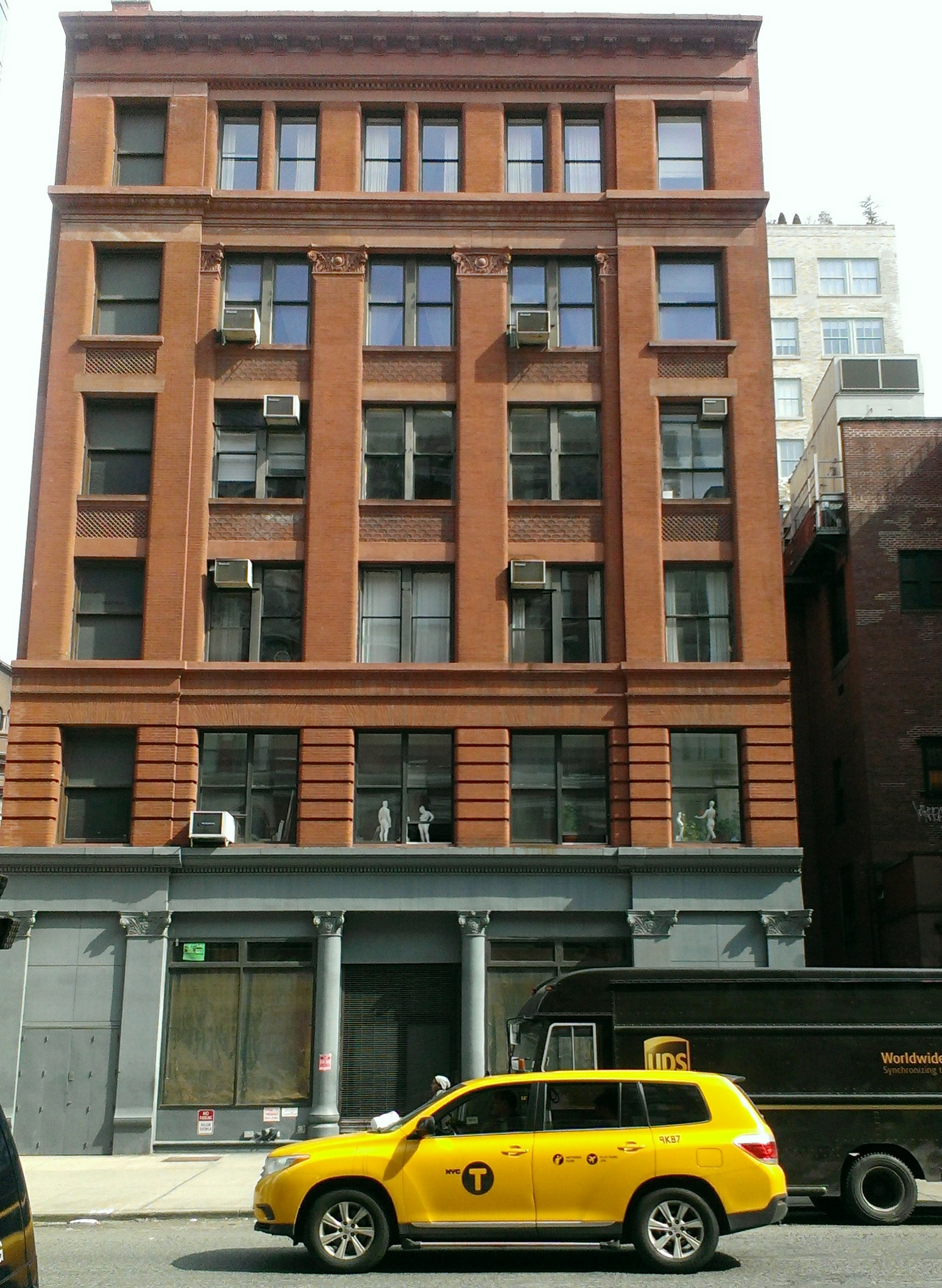
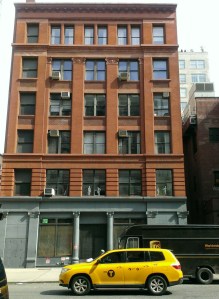 We bought this place in ’85. We started the studio right where we are, one door north of the Public Theatre. You know, Joe Papp was the one who had the vision for this—this particular area. Nothing was down here. No restaurants. Just, you know, nothing. And, uh, it’s an interesting building. It’s called an A.I.R. building, as most of these lofts are. Are you familiar with that–Artists in Residence?
Back in the ’50s, when the printing industry began moving out, it abandoned these big warehouse-type buildings, and artists, uh, inevitably would move into these lofts. But they were living in commercial space, which technically is illegal. And so, the city created the A.I.R. status, which would permit certified artists to live in these commercial buildings.
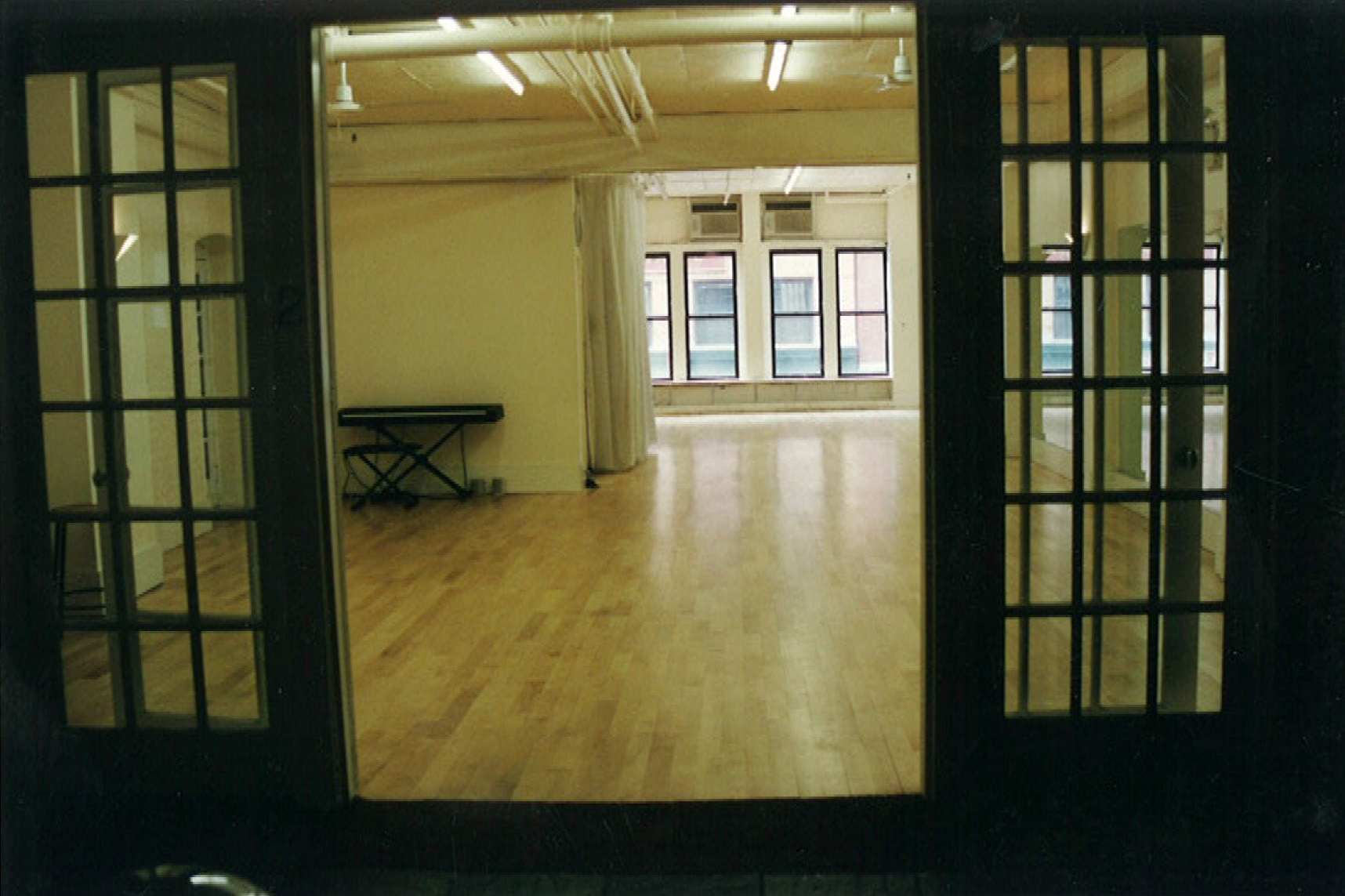
We had essentially three studios here: the large studio, uh, which we could split off into two studios, and then a third studio back there, which is now a separate apartment. And then, eventually, our business outgrew this space and we moved it down to 199 Lafayette Street and we converted this basically into two apartments. There’s one apartment back there and then there’s our apartment. Hence, we live here.
And when I came down here to meet the former owners, we actually sat right here. I think they paid under 100,000 for the space and ended up selling it for 400,000. Now it’s probably worth, you know, millions. 4,000 square feet, so…It’s a valuable piece of property.
(He sips his coffee.)
Retirement
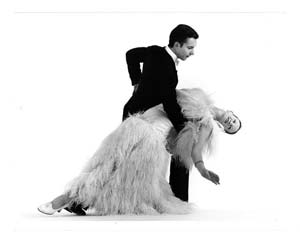
So I basically retired last July. I have a big, um, project, which I haven’t really gotten off the ground. I have, uh, an enormous amount of videotape from stories that I did when I was in television news for 20 years. And then, I also videotaped all of the performances that we did, uh, here in the business, you know. And I have a lot of video of, uh, Sandra performing. And we have all of these, uh, syllabus tapes where Sandra broke down all these social dances into beginner, intermediate, and advanced levels.
So, what I want to do is, uh—this is all on VHS, primarily. So I want to organize it, digitize it, and then donate it to the, uh, Dance Collection at the Public Library. So there’s a record of—of, you know, social dance in the 1970s and ’80s. So, that’s my big project. I mean, it’s not really difficult to transfer. I have the equipment. But it will take me forever, ‘cause I got a lot of stuff.
From the Beginning
Hmm? Well, I actually grew up here in Manhattan. On the Upper East Side, 95th Street and Madison Avenue, and went to PS 6. And then, when, uh, I entered eighth grade, we moved out to Montclair, New Jersey. And so I went to high school in Montclair. I’m the last generation of—of American kids who were sent off to dancing school. I went to a social dance school all the way through high school. And, I mean, I enjoyed it. But that came to a screeching halt when I went on to Kenyon College in Gambier, Ohio. And then was drafted and served two years in the Army in Baltimore. And, from my two years at Fort Holabird—oh, this is a true story….
Uh, let’s see. I was drafted in, you know—in September of 1964. And, uh, I was sent down to Fort Dix for, you know, basic training. And I guess, because I was a college graduate, they gave me an interview to find out what kind of job to give me. And so, in the interview, the fellow asked me where I went to college, and I said, “Kenyon College.” He said, “Kenya College? Is that in Africa?” I said, “No, no, it’s Kenyon College.” And he said, “What kind of school is that?” And I said, “For want of a better term, it’s a liberal arts college.” And, uh, he said, “Okay.” So, he wrote, “Liberal,” but then wrote, “Arts.”



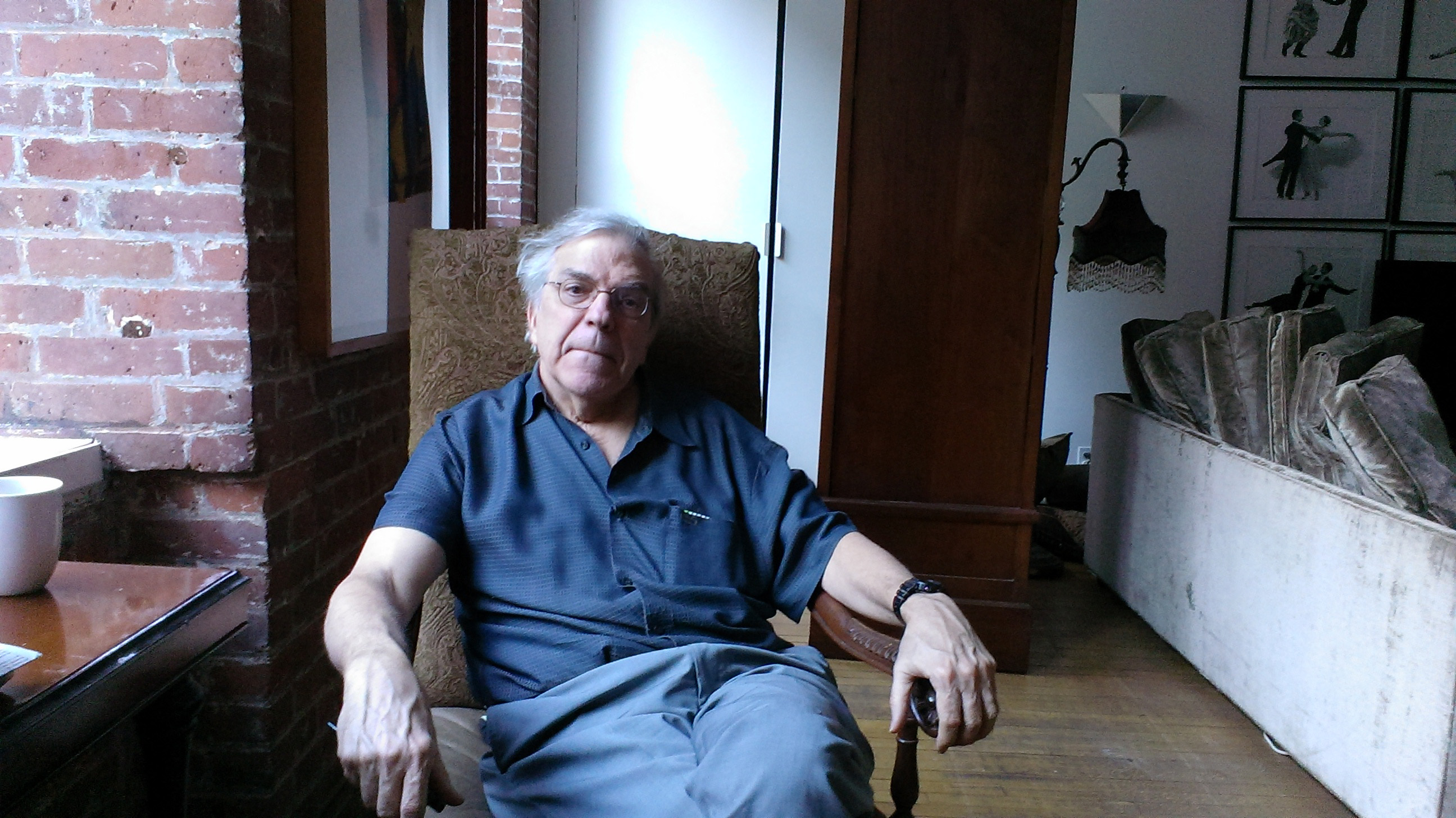
 Chris Harcum